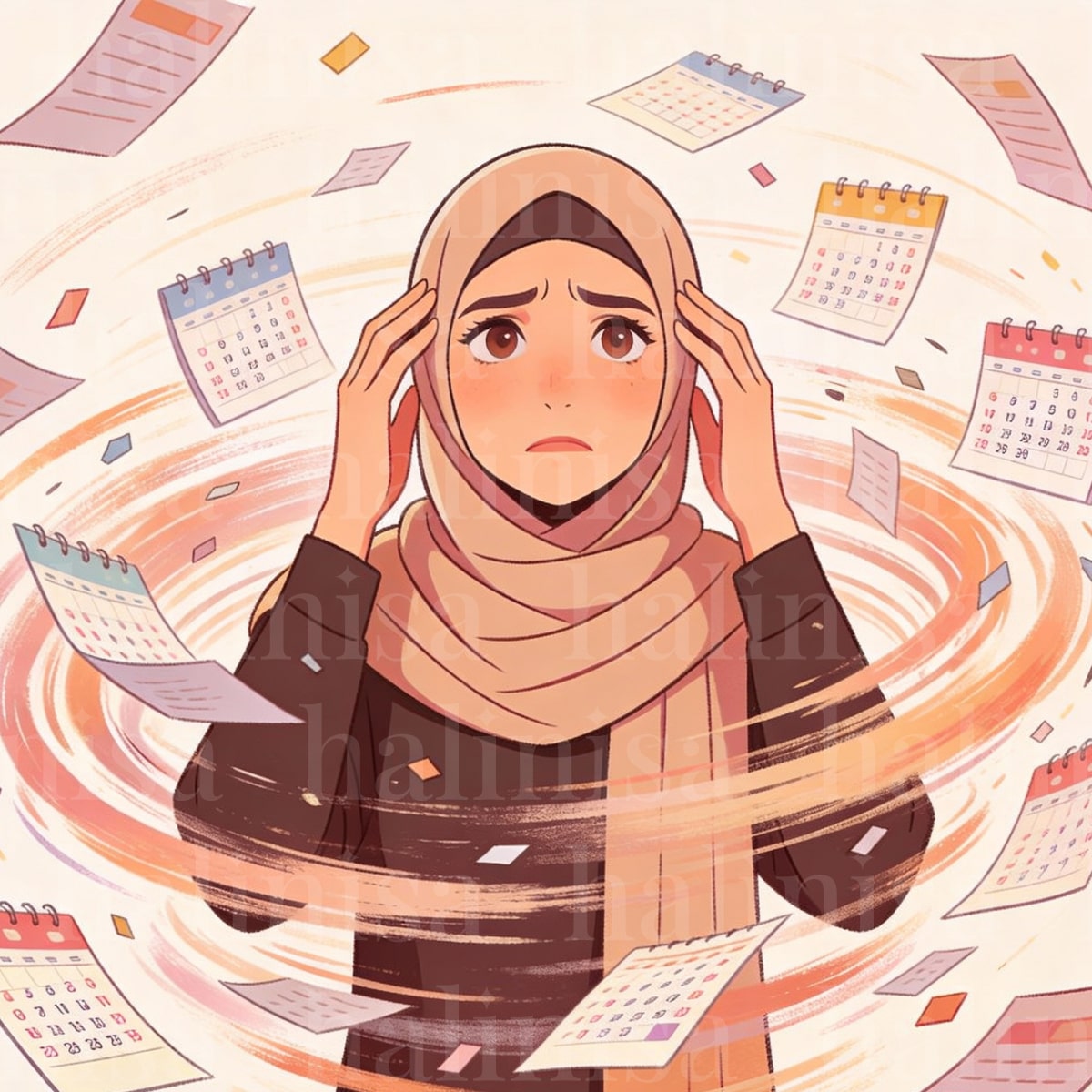
Knowing the days of menstruation and purity correctly shapes a woman's worship, because it decides when duties such as prayer and fasting begin and when they are postponed. Tracking these days through records rather than guesswork brings peace of mind and prevents mistakes in practice.
The Basic Measures in Hanafi Jurisprudence
According to the Hanafi school, the minimum menstruation period is three days and the maximum is ten days. Bleeding beyond ten days is treated as istihada and does not prevent prayer. The purity period between two menstruations is at least fifteen days.
These measures look simple at first. In daily life, however, the start time of bleeding, the moments it stops and the clean days in between make the calculation harder. Remembering these periods correctly without keeping records is often not possible.
The Benefits of Consistent Tracking
Keeping a daily record helps in several ways:
- Clarifies when prayer and fasting start
- Makes it easier to tell istihada apart from menstruation
- Keeps an accurate count of the days that need to be made up
- Lets you look back in a moment of doubt
How Halinisa Makes This Easier
Halinisa lets you log bleeding and purity days one by one and shows your situation in plain language according to Hanafi measures. So instead of recalculating every month, you can organise your worship by trusting the record the app keeps.
The app is a guide. In private or doubtful cases, consulting a qualified scholar is always the best course.